Content
Earlier this month
Q&A
Ja
1d agoAsk
Q&A
Wo kann ich noch Matrine beziehen?
1d agoAsk
August 2026
Q&A
Sterbai Corydora. Just noticed this today. He is paler than normal and less active
1mo agoAsk
Q&A
please could you tell me where i can buy your fishfood in 79098 Freiburg im Breisgau
1mo agoAsk
June 2026
Q&A
Please tell me the dosage for metronidazole using for discus
3mo agoAsk
patreon.com
Fish disease case nr. 345 Pelvicachromis Cichlid with bacterial infection & tubercles in the organs
Patreon
3mo agoAsk
Q&A
What does research actually show about UV sterilization in aquariums?
3mo agoAsk
youtube.com
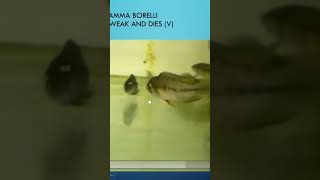
Sick Dwarf Cichlid Apistogramma. See link complete video. #fishdisease #apistogramma #Cichlid
3mo agoWatch

youtube.com
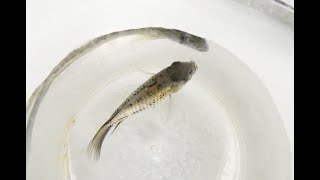
Fish disease case nr. 365 Tankraised Apistogramma borelli with bacterial infection and few tubercles
3mo agoWatch
Q&A
Even een vraagje voor de visdokter.. de vijver is nu al jaren stabiel, ook al jaren geen nieuwe vissen en amper dode vissen. Sinds dit voorjaar al 4x onverklaarbaar een dode volwassen goudvis. En nu opeens een grote karper die het moeilijk heeft. Nergens beschadigingen te zien, vinnen intact, kieuwen niet beschadigd, niet schuren, flitsen, geen lucht happen. Ik kan het helemaal niet verklaren. Alleen een wat opgzwollen buik en precies wel gasvorming? Geen idee wat hier aan de hand is, ik ga nu toch veel water wisselen, proberen temperatuur omlaag te krijgen. Vrees dat t iets met de hitte is.. Ik weet dat er KHV in de vijver zit, maar daar zijn vroeger alleen koi’s aan doodgegaan, nooit goudvissen en ook de gewone boerenkarpers niet, die zijn juist t sterkste 🧐
3mo agoAsk
Q&A
I have been experiencing Cryptocaryon infestations in my marine fish holding system (which you personally confirmed when I sent you a video taken through my microscope). The symptoms when I discover this parasite are not the usual ones described in books, as the fish do not show white spots on their bodies, and their coloration often remains intact without any mucus production. Affected fish lose weight within one or two days, breathe heavily, and die in no time, without even giving me enough time to intervene with a copper-based solution. The holding system is cleaned weekly by siphoning out detritus. In addition to biological filtration, it is equipped with a powerful protein skimmer and a 75W UV lamp, for a total system volume of about 1000 liters. I am writing to ask if you could recommend a preventive strategy to avoid the animals' suffering and also to limit financial losses.
3mo agoAsk
Q&A
What is cyromazine and how is it used in aquaria?
3mo agoAsk
youtube.com
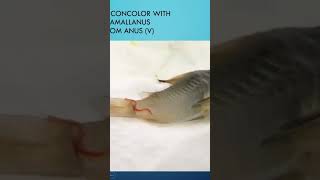
Corydoras catfish worm infection. See link complete video. #fishdisease #corydoras #catfish catf
3mo agoWatch
Q&A
Ok I will send photo
3mo agoAsk
youtube.com
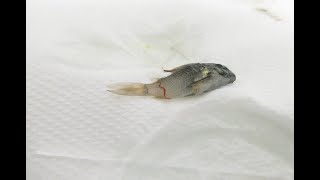
Fish disese case nr. 364 Wild Corydoras concolor with Camallanus and other worm infections
3mo agoWatch
Q&A
Please help! My fish is sick and I need help !
4mo agoAsk
May 2026
Q&A
What can you diagnose on the angelfish?
4mo agoAsk
Q&A
How much does a fish disease consultation cost?
4mo agoAsk
Q&A
How do I use the free diagnostics tool
4mo agoAsk
Q&A
Is it not available in the US?
4mo agoAsk
Q&A
How long does it take to get a reply from the fish doctor?
4mo agoAsk
Q&A
This Angelfish with pop-eye - can you compare with your data & photo?
4mo agoAsk
Q&A
Is there a free tool to help diagnose my fish disease?
4mo agoAsk
Q&A
Is there a consulting option for businesses or people with multiple fish problems?
4mo agoAsk
Q&A
Thank you. I also need guidance on the larger Oscar because he is part of why I’m unsure what to do next. Larger Oscar details: * About 4–4.5 inches. * Was in the 75g with the juvenile red Oscar before hospitalization along with one other yellow Oscar. * Had intermittent clear/white stringy feces for weeks, but also had normal feces at times. * Recently stopped accepting pellets/bloodworms/freeze-dried shrimp/garlic-soaked pellets. * He will approach prepared food, then back off or spit it. * However, since he has been hospitalized he immediately ate live Neocaridina shrimp/scuds with no hesitation and has passed normal-looking feces afterward. Still refuses normal food. * He was glass surfing constantly in the 75g, but once moved into the 20g hospital tank he stopped glass surfing and became calmer and less anxious. * He does not have the red juvenile’s severe symptoms: no heavy mouth breathing, no loss of balance, no bottom-sitting, and he is not clamped. * Reason they were together: I only had one hospital tank, and I was worried the larger Oscar was declining from not eating, while the red juvenile was already in the 20g. They do not fight or chase each other and were sitting calmly together. Questions: 1. Should the larger Oscar return to the 75g now so the weak red juvenile can be alone, even though the larger Oscar is still refusing prepared foods? 2. Does the larger Oscar sound more like a true internal infection, or more like prepared-food aversion/stress if he eats live prey and has normal feces afterward? 3. If I create the 24–48 hour medication-free rest period, should that apply to both fish, or only the red juvenile? 4. If I remove/dilute the current metro+praz combo now, how large should the water change be: 50%, 75%, or near 100% with matched/dechlorinated water? 5. If the red juvenile does not improve after the rest period, should I restart metronidazole at the low-end 375 mg/20g for 48 hours, or consider antibiotic first? 6. Since the red juvenile is weak and the bubbler can push him, should I reduce current while maintaining surface agitation, or prioritize maximum oxygen even if it moves him? 7. What exact signs mean I should abandon the rest period and start the next treatment immediately?
4mo agoAsk
Q&A
What do I need to submit for a fish disease consultation?
4mo agoAsk